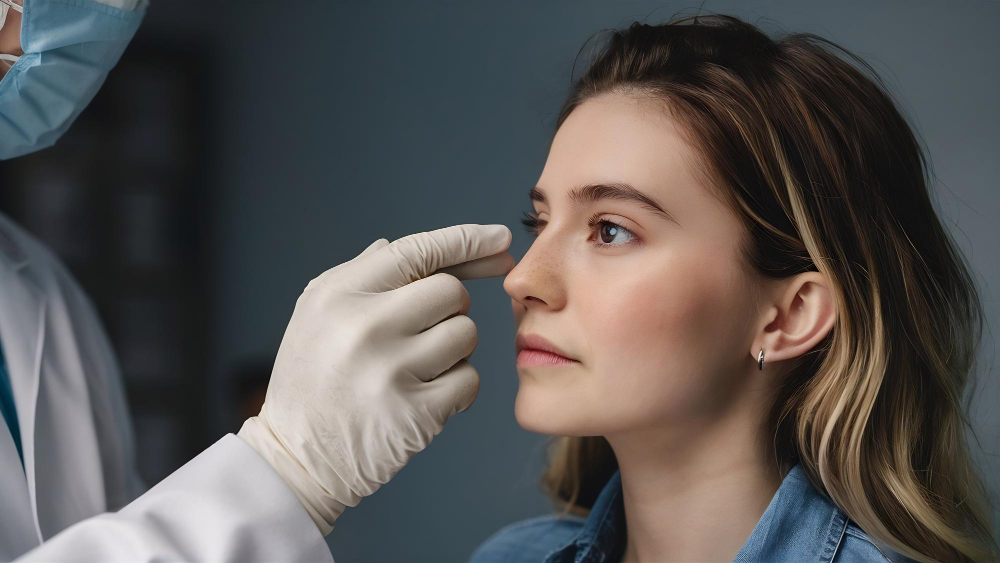
Revision rhinoplasty is one of the most complex and emotionally sensitive procedures in all of aesthetic surgery. For patients who have been left unhappy with a previous nose operation — whether performed in the UK, Europe, or elsewhere — the prospect of undergoing surgery again can feel daunting. Yet for many, a carefully planned revision rhinoplasty is the only way to achieve the result they originally sought.
Istanbul has become a leading destination for revision rhinoplasty among UK and European patients, offering access to highly experienced specialists, state-of-the-art facilities, and meaningful cost savings. This guide explains who is a candidate, why revision rhinoplasty is so demanding, what to expect from the process, and why Dr Samet Ağcayazı in Istanbul is trusted by international patients to put right what has gone wrong.
What Is Revision Rhinoplasty?
Revision rhinoplasty — sometimes called secondary rhinoplasty — is a corrective procedure performed on a nose that has already been surgically altered. It may be required for aesthetic reasons, functional reasons, or both.
Common reasons patients seek revision rhinoplasty include:
- Aesthetic dissatisfaction — the original procedure did not achieve the desired shape, or the result has changed as the nose healed
- Over-reduction — the nose was made too small, creating an unnatural or “operated” appearance
- A pinched or asymmetric tip — resulting from aggressive cartilage removal during the primary surgery
- A pollybeak deformity — excess tissue or cartilage above the tip creates a beak-like profile
- A saddle nose — collapse of the bridge due to over-resection or infection
- Functional problems — breathing difficulties caused by structural changes from a previous operation
- Scar tissue — internal scarring can alter the shape of the nose over time and create rigidity that affects both appearance and function
Importantly, revision rhinoplasty is not always about correcting surgical error. Noses continue to change as they heal — swelling resolves gradually over twelve months, and in some cases settling tissue or weakened cartilage produces an outcome different from what was initially seen. A second surgery may simply be the most effective way to refine and complete the result.
Why Revision Rhinoplasty Is More Complex Than Primary Surgery
If primary rhinoplasty is technically demanding, revision rhinoplasty is considerably more so. The surgeon is working with tissue that has been altered, scarred, and potentially depleted of cartilage. The original anatomy has been disrupted, making it harder to predict how tissues will respond to further manipulation.
Key challenges include:
Scar Tissue and Altered Anatomy
Every surgical procedure creates scar tissue. In the nose, internal scarring can make tissues thicker, less pliable, and harder to reshape precisely. The surgeon must navigate this changed environment while achieving controlled, predictable changes.
Cartilage Deficiency
Many revision cases involve a nose from which too much cartilage was removed during the primary surgery. To rebuild structure, strength, and shape, the surgeon typically needs to harvest cartilage from elsewhere — most commonly from the ear (conchal cartilage) or the rib (costal cartilage). Rib cartilage grafting is particularly powerful for major reconstructions, allowing the surgeon to create a robust new framework for the nose.
Vascular Changes
Blood supply to the nasal skin and tissue can be altered by previous surgery, creating additional complexity and requiring careful surgical planning to minimise complications.
Psychological Complexity
Patients seeking revision rhinoplasty have often experienced considerable frustration and disappointment. Managing expectations with clarity, compassion, and honesty is an essential part of the consultation process.
For all of these reasons, revision rhinoplasty should only be entrusted to a surgeon with specific, extensive experience in secondary nasal surgery. Volume matters: surgeons who perform high numbers of revision procedures develop the refined judgement and technical skill that this work demands.
Why Istanbul for Revision Rhinoplasty?
Specialist Expertise
Dr Samet Ağcayazı is an ENT specialist with focused expertise in both primary and revision rhinoplasty. His ENT background is a genuine advantage in revision cases: understanding the functional anatomy of the nose — the airway, the septum, the turbinates — is as important as the aesthetic considerations when correcting a previous surgery. Many revision cases involve both functional and aesthetic problems that need to be addressed together.
Cost Comparison
Revision rhinoplasty in the UK typically costs between £8,000 and £15,000, and often more for complex cases requiring rib cartilage grafting. In Istanbul, patients from Britain and Europe can access the same quality of care and expertise at significantly lower cost — typically 50–70% of UK pricing — without compromising on surgical standards, hospital quality, or aftercare.
Internationally Accredited Facilities
Dr Ağcayazı operates in Istanbul hospitals holding Joint Commission International (JCI) accreditation, ensuring that infection control, anaesthetic standards, and patient safety protocols meet the expectations of UK and European patients.
Seamless International Patient Journey
A dedicated patient coordinator guides international patients through every stage of the process: from initial consultation and documentation to travel planning, accommodation, post-operative follow-up, and communication with your GP back home. The process is designed to be as smooth and stress-free as possible for patients travelling from the UK or Europe.
When Is the Right Time for Revision Rhinoplasty?
This is one of the most important questions, and the answer requires patience. Surgeons generally recommend waiting a minimum of twelve months after a primary rhinoplasty before undergoing revision surgery. The nose needs this time to fully heal; swelling that persists in the early months can make it impossible to accurately assess the final result. Operating too early on tissue that is still healing dramatically increases the risk of complications and makes precise outcomes harder to achieve.
If you are within twelve months of your primary procedure, the right course of action is to continue monitoring your healing and to consult with a revision specialist who can advise on timing and what correction is likely to be needed.
What to Expect: The Revision Rhinoplasty Process
Online Consultation
Send detailed photographs of your nose — front, side, three-quarter — along with any documentation from your primary surgery (operative notes, photographs). Dr Ağcayazı’s team will review your case and arrange a video consultation to discuss your concerns, goals, and candidacy.
In-Person Assessment in Istanbul
On arrival, a thorough in-person assessment includes clinical examination, imaging, and a detailed discussion of the proposed surgical approach. Cartilage availability will be assessed, and the plan for any necessary grafting will be confirmed.
Surgery
Revision rhinoplasty typically takes three to five hours under general anaesthesia. The open approach is almost always used, as it allows the surgeon full access to the nasal framework. Recovery follows a similar pattern to primary rhinoplasty, though healing can take slightly longer due to the effects of previous surgery.
Recovery and Aftercare
Plan to remain in Istanbul for ten to fourteen days. Follow-up appointments are arranged during this period, and Dr Ağcayazı’s team remains available for remote consultations after you return home. Full healing takes twelve to eighteen months, and the final result will continue to refine throughout this period.
Is Revision Rhinoplasty Right for You?
If you are unhappy with the result of a previous nose surgery, you are not alone — and you do not have to accept a result that does not reflect what you wanted. The most important step is to consult with a surgeon who specialises in revision cases, who will give you an honest, thorough assessment of what correction is possible and what the process will involve.
To book an online consultation with Dr Samet Ağcayazı, contact the clinic with your photographs and a brief description of your concerns. The road to the result you originally sought may be shorter than you think.